
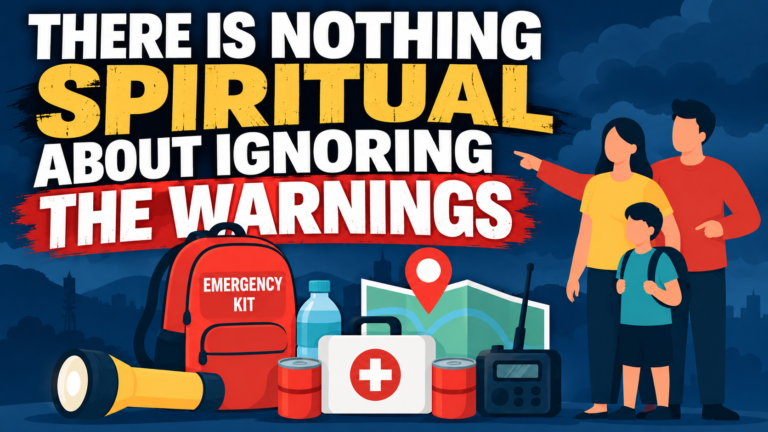
Yesterday, I wrote an article entitled There Is Nothing Spiritual About Ignoring the Warnings, addressing the growing number of governments around the world encouraging their citizens to prepare for emergencies and disasters. Having personally experienced Hurricane Helene here in Western North Carolina, I understand the importance of preparedness in a way that I never did before. There are certain things you can prepare for intellectually, but until you have lived through them, you really have no appreciation for just how quickly the conveniences of modern life can disappear.
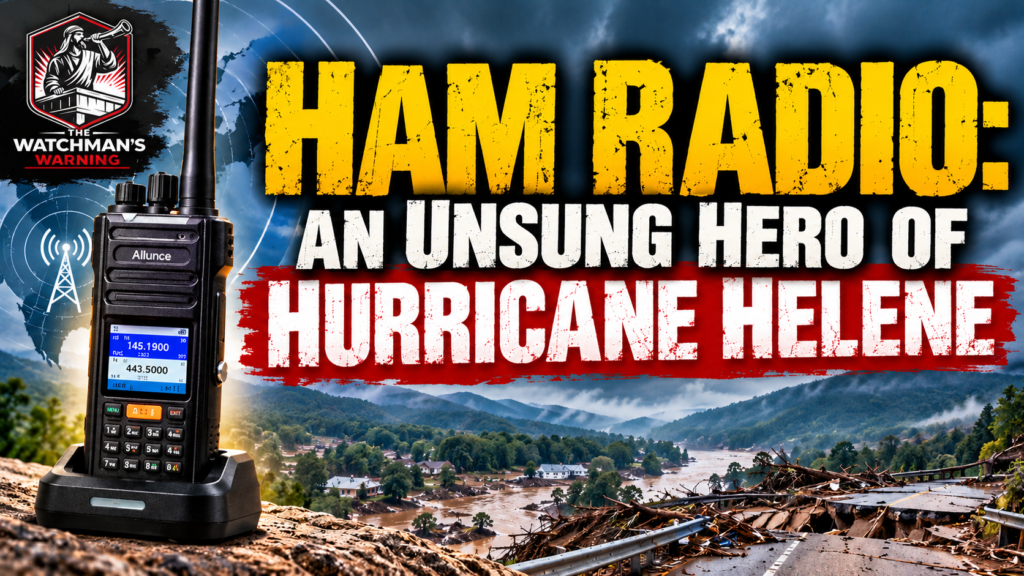
One of the things I encouraged people to have in yesterday’s article was a ham radio. Of all the preparedness equipment a person might purchase, I believe amateur radio is among the most overlooked. During Hurricane Helene, it proved to be one of the most valuable resources available to me.
I have been a licensed amateur radio operator for years. Like most hams, I have heard the argument that one of the greatest selling points of amateur radio is its usefulness during emergencies. However, I never really expected to witness the kind of communications blackout that occurred during Helene.
When the storm tore through Western North Carolina, our cellular communications were devastated. It wasn’t simply a matter of having poor reception. Our phones were useless for making calls or sending ordinary text messages. The infrastructure that we had come to depend upon was suddenly unavailable. People couldn’t reach their families, emergency services, and those of us living in the affected communities were largely cut off from the outside world.
My oldest daughter had left the state just hours before the hurricane drenched Western North Carolina. When communications went down, I had no ordinary way to contact her. Naturally, she was worried about what was happening back home. I was eventually able to communicate with her using the satellite messaging feature on my iPhone, which allowed me to send text messages under certain conditions. I was grateful for that technology, but it did very little to help me communicate with people locally. Knowing that I could occasionally send a message to someone outside the disaster area did not tell me which roads were passable, where gasoline could be found, or what was happening in the communities surrounding me.
With my handheld radio, I was able to communicate with other amateur radio operators throughout the area. What had previously been a hobby suddenly became a source of information that I could not obtain anywhere else. Gasoline was virtually nonexistent in many places. With Asheville and surrounding communities suffering widespread power outages, gas stations couldn’t operate normally, and those that could provide fuel often had enormous lines or limited supplies. Through conversations with other ham operators, I was able to learn where gasoline could be found. That information was incredibly valuable when fuel was scarce and nobody knew how long the situation would continue.
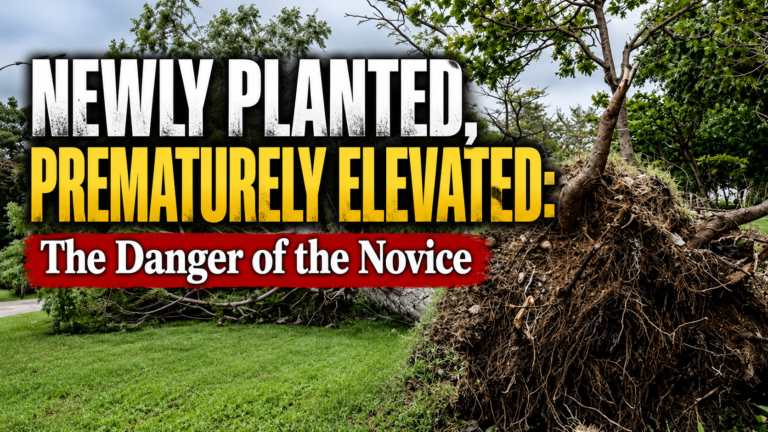
The roads presented another serious problem. Trees had been uprooted by the storm and scattered across roadways throughout the mountains. Roads that had been perfectly passable only a day earlier were now blocked. Without reliable communications, a person could drive several miles down a road only to discover that it was impassable, forcing him to turn around and try another route while wasting precious fuel. Through amateur radio, operators were sharing information about road conditions and possible routes. I was able to learn which roads were blocked and which pathways remained available without having to discover every obstruction for myself.
Families across the country were desperately trying to contact loved ones in Western North Carolina. Those outside the disaster area were watching the news, seeing images of the destruction, and wondering whether their relatives were still alive. Meanwhile, many of those inside the affected communities had no way to tell their families that they were safe. Amateur radio operators began helping bridge that gap. Efforts were underway to conduct welfare checks when requests could be communicated to those coordinating assistance. Operators were passing along information about individuals and communities, trying to connect people who had been separated by the communications blackout.
One particularly remarkable effort involved relaying messages out of Western North Carolina to Greenville, Tennessee. People who were licensed amateur radio operators, or who knew someone who was, could get messages passed along through the radio network. Once those messages reached individuals outside the communications blackout, telephone calls and emails could be sent to friends and family elsewhere in the country and even around the world. Imagine the relief of a mother hundreds of miles away receiving word that her son was alive. These messages might have seemed insignificant under ordinary circumstances, but during Helene, they meant everything.
One individual who deserves particular recognition is Vicki Carns, who served tirelessly as the Net Control operator on the Mount Mitchell amateur radio repeater. For those unfamiliar with amateur radio, a Net Control operator is the individual responsible for coordinating communications over a particular frequency or repeater. Rather than having dozens of people attempting to speak at once, Net Control organizes the radio traffic, recognizes stations wishing to transmit, and helps ensure that important information is passed along in an orderly manner. During an emergency, this becomes particularly important because messages concerning people’s safety, emergency needs, and available resources must be handled efficiently.
These were ordinary citizens, many of whom had spent years developing their skills and maintaining their equipment simply because they enjoyed amateur radio. When disaster struck, those skills became an invaluable public service. They weren’t waiting for a government agency to tell them that communication was important. They already had the equipment, knew how to use it, and were willing to help.
Getting started is not nearly as difficult or expensive as many people imagine. In the United States, the entry-level amateur radio license is called the Technician Class license. Earning it requires studying some basic radio principles, regulations, and operating procedures before passing a 35-question examination.
Once licensed, you can purchase a basic handheld amateur radio for approximately $50 to $100. Learn which repeaters serve your community. Program those frequencies into your radio. Get familiar with the operators in your area. Most importantly, actually use the equipment. A radio sitting in a drawer with a dead battery and an owner who doesn’t know how to operate it will be of very little benefit when disaster strikes.
If Hurricane Helene taught me anything about communications, it is that you should never assume the systems you depend upon today will be available tomorrow. I never thought I would see the day when cellular communications across so much of Western North Carolina would be rendered useless. Yet there I was, holding a handheld radio, listening to neighbors exchange information about fuel, roads, and missing loved ones.
So let me encourage you to do the small amount of work necessary to at least earn your Technician Class amateur radio license. Purchase an affordable handheld radio, learn how to use it, and become familiar with your local amateur radio community. You may never need it during a disaster, and I certainly hope you don’t. But if the day comes when the cell towers are silent, the internet is gone, and your family needs information, that little radio may be your only means of communication.
I am including links to the study course I used to earn my General Class amateur radio license, along with some of the radios I personally own. I receive no compensation for recommending either of these products. I am simply sharing resources that I have found useful in hopes that they will help you get started in amateur radio and be better prepared should disaster strike.

About The Author



Thank you
Excellent advice
What are your thoughts on the necessity and practicality of obtaining just a technician license, as opposed to a general license? I understand a general license offers broader communication capability. Recommendations? Thoughts? Thank you!
Hi Robert,
If you just want to cover the basics, I would recommend getting your Technician license. You’ll be limited primarily to local communications, but there’s nothing wrong with that. If you want to communicate across the country or even internationally, I would recommend getting your General license.
I have a General license myself, and I can tell you that it opens up a lot more opportunities to enjoy amateur radio as a hobby. I primarily use my Technician privileges for local communications and emergency preparedness.
I’ve only truly needed my radio in an emergency once, as I described in the article. But when I needed it, I REALLY needed it. I was thankful that I had the equipment ready and, just as importantly, knew how to use it.
That’s something I would emphasize. Ham radio isn’t quite as simple as picking up a radio and pushing a button. There’s a learning curve, and the time to learn is before an emergency, not during one.